How to Spot a Contaminated Peptide Solution — Research Safety Guide
Quick Answer: Signs of a contaminated peptide solution include visible cloudiness or particulates, color change, unusual odor, gel-like texture, or
In-depth guides for researchers using bacteriostatic water and related laboratory supplies.
Quick Answer: Signs of a contaminated peptide solution include visible cloudiness or particulates, color change, unusual odor, gel-like texture, or
Quick Answer: Setting up a peptide research lab requires a dedicated workspace with a clean area or biosafety cabinet, essential

NAD+ IV Research — Reconstitution, Dosing & Bacteriostatic Water Guide For Research Use Only. NAD+ content here is for laboratory
BPC-157 vs TB-500 — Research Comparison Guide For Research Use Only. This comparison is for educational purposes for laboratory professionals.
GLP-1 Peptide Research Basics — What Researchers Need to Know in 2026 For Research Use Only. This content is educational

Bacteriostatic Water vs Sterile Water vs Saline — Complete Comparison Bottom Line Up Front: For multi-use peptide reconstitution in research,
How to Calculate Peptide Dosing for Research — Concentration Calculator Guide ⚗️ For Research Use Only. This guide is intended
How to Store Reconstituted Peptides — Storage Protocol for Researchers ⚗️ For Research Use Only. This guide is intended for
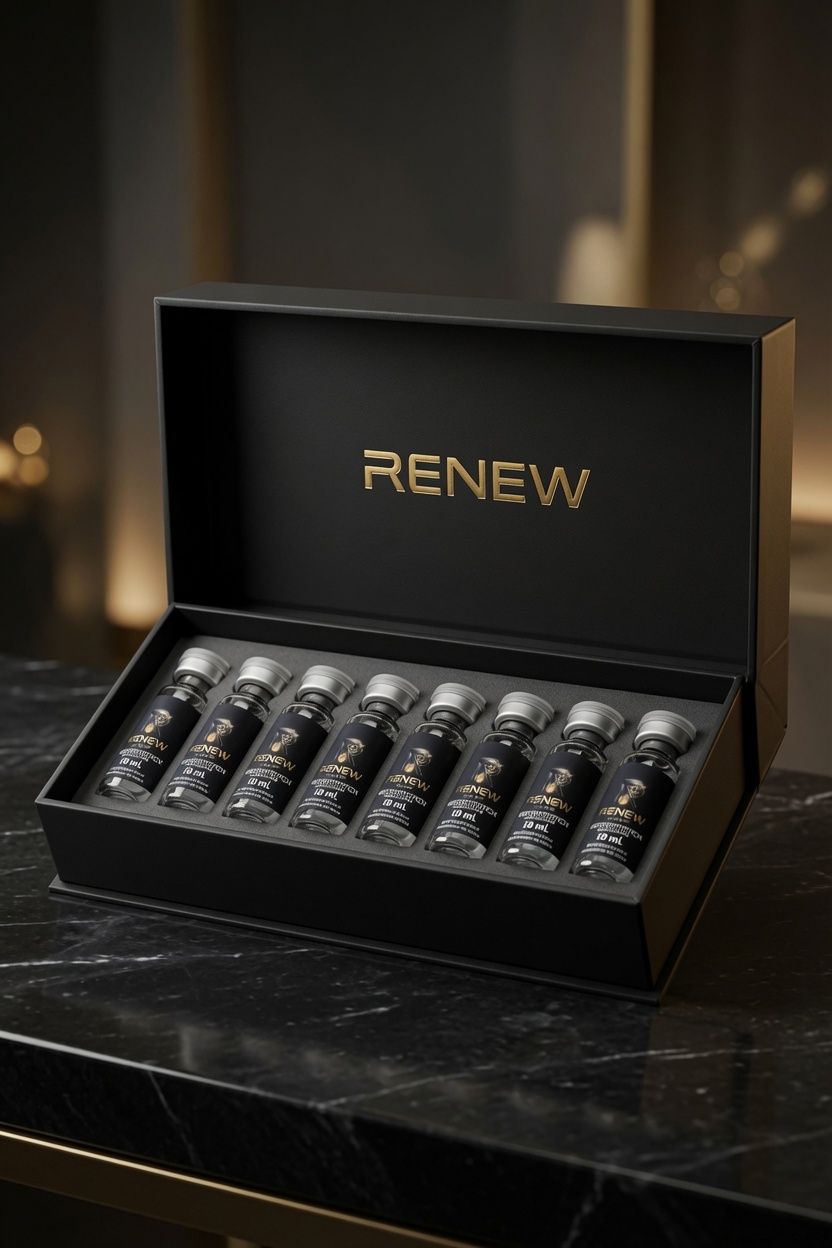
How to Reconstitute a Peptide — Step-by-Step Protocol ⚗️ For Research Use Only. This guide is intended for laboratory and
What Is a Peptide? — Beginner’s Guide for Researchers Quick Answer: A peptide is a short chain of amino acids