Peptide Stability Testing — How Long Do Peptides Last in BAC Water?
Quick Answer: Most research peptides reconstituted in bacteriostatic water at 2–8°C remain stable for 4–8 weeks, depending on the specific
Quick Answer: Most research peptides reconstituted in bacteriostatic water at 2–8°C remain stable for 4–8 weeks, depending on the specific
Quick Answer: GLP-1 receptor agonists including semaglutide and tirzepatide are among the most actively studied peptides in metabolic research. In
Quick Answer: NAD+ (nicotinamide adenine dinucleotide) is a coenzyme present in all living cells that is central to energy metabolism,

Quick Answer: USP 797 is the United States Pharmacopeia chapter governing sterile compounding in pharmacies. It establishes standards for facility
Quick Answer: Endotoxins are lipopolysaccharides (LPS) from gram-negative bacterial cell walls that can cause inflammatory responses even in the absence
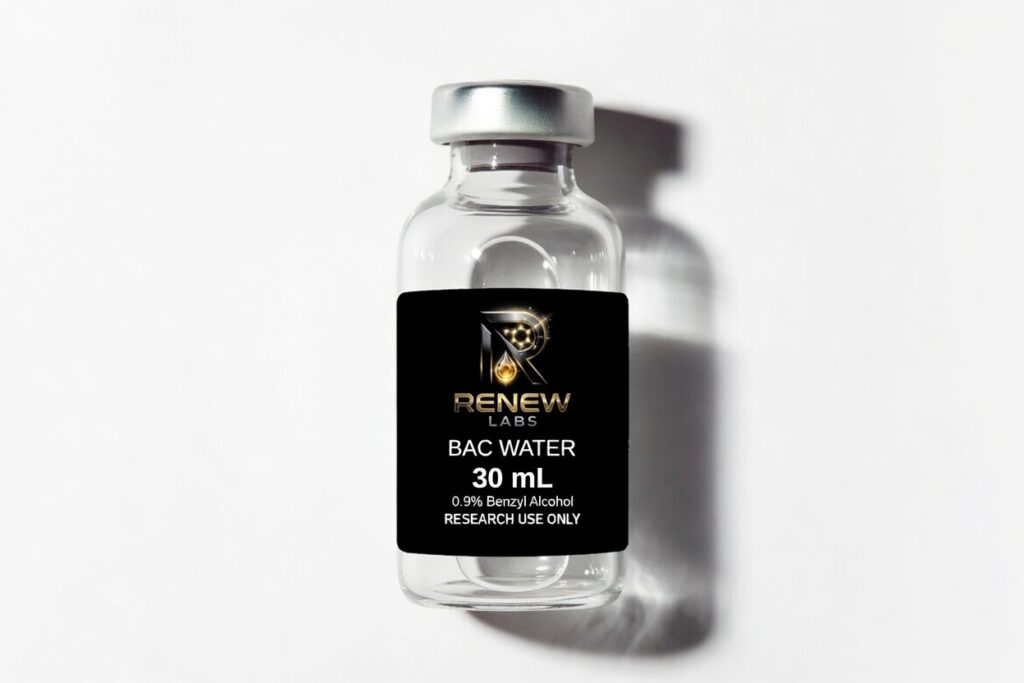
Quick Answer: Benzyl alcohol (C7H8O) is the bacteriostatic preservative in bacteriostatic water, present at a concentration of 0.9% (±0.1%). It
Quick Answer: Compounding pharmacies across the country prefer Texas-manufactured bacteriostatic water for five key reasons: (1) faster shipping from a

Quick Answer: Bacteriostatic water (BAC water) contains 0.9% benzyl alcohol as a preservative, allowing multi-draw use from a single vial

Quick Answer: Advanced peptide research protocols focus on maximizing stability, reproducibility, and data integrity. Key advanced practices include: single-use aliquoting
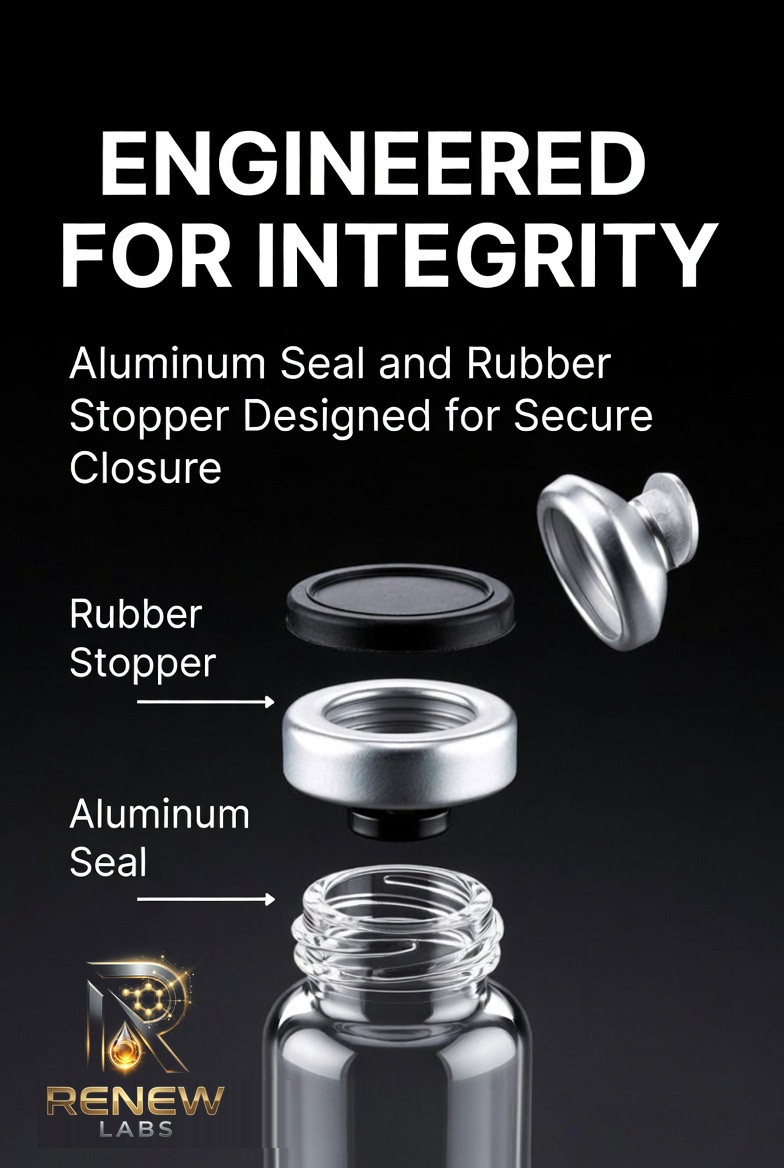
Quick Answer: This mega-guide covers reconstitution protocols, BAC water volumes, storage requirements, and research dosing references for 8 major peptide