What Is a Certificate of Analysis (COA)? — Research Buyer’s Guide
What Is a Certificate of Analysis (COA)? Quick Answer: A Certificate of Analysis (COA) is a quality document that records […]
What Is a Certificate of Analysis (COA)? Quick Answer: A Certificate of Analysis (COA) is a quality document that records […]

What Is a Peptide? — Beginner’s Guide for Researchers Quick Answer: A peptide is a short chain of amino acids
What Is an Endotoxin and Why Does It Matter in Research? Quick Answer: Endotoxins are lipopolysaccharides (LPS) found in the
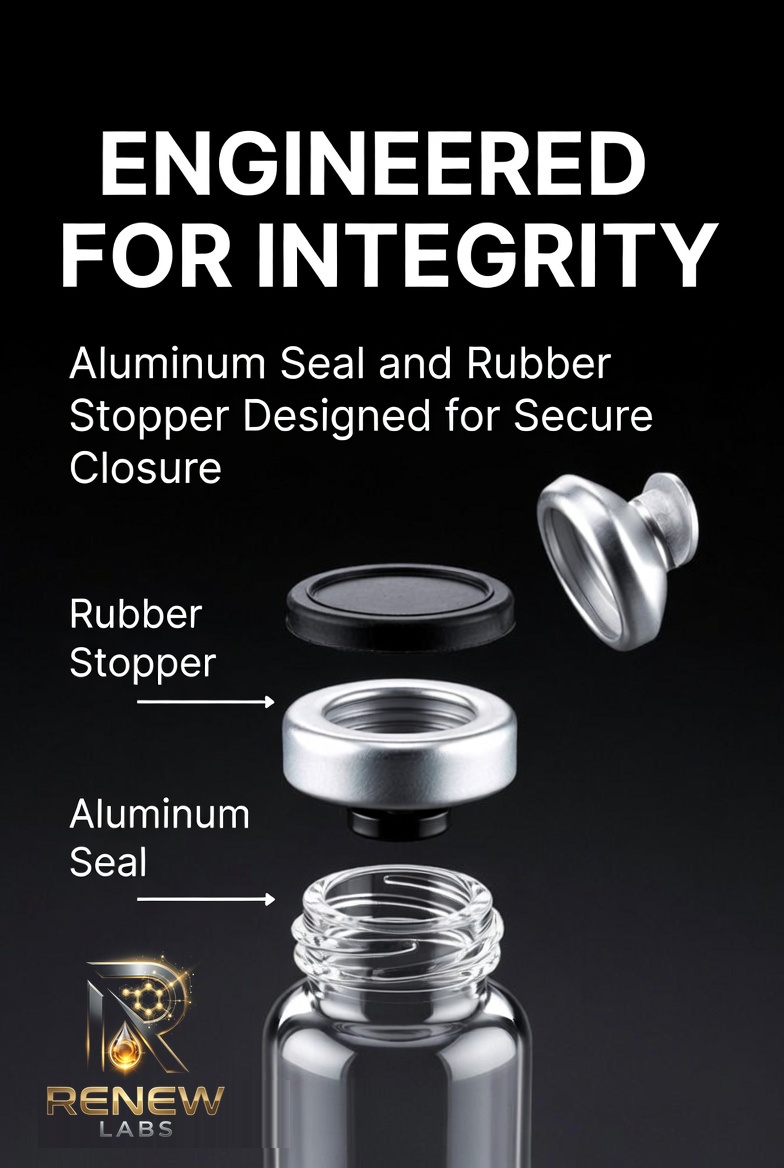
What Is Water for Injection (WFI)? Quick Answer: Water for Injection (WFI) is the highest purity grade of pharmaceutical water,
Why Water Source Selection Is a Critical Quality Decision for Compounding Pharmacies For compounding pharmacies operating under USP <797> or
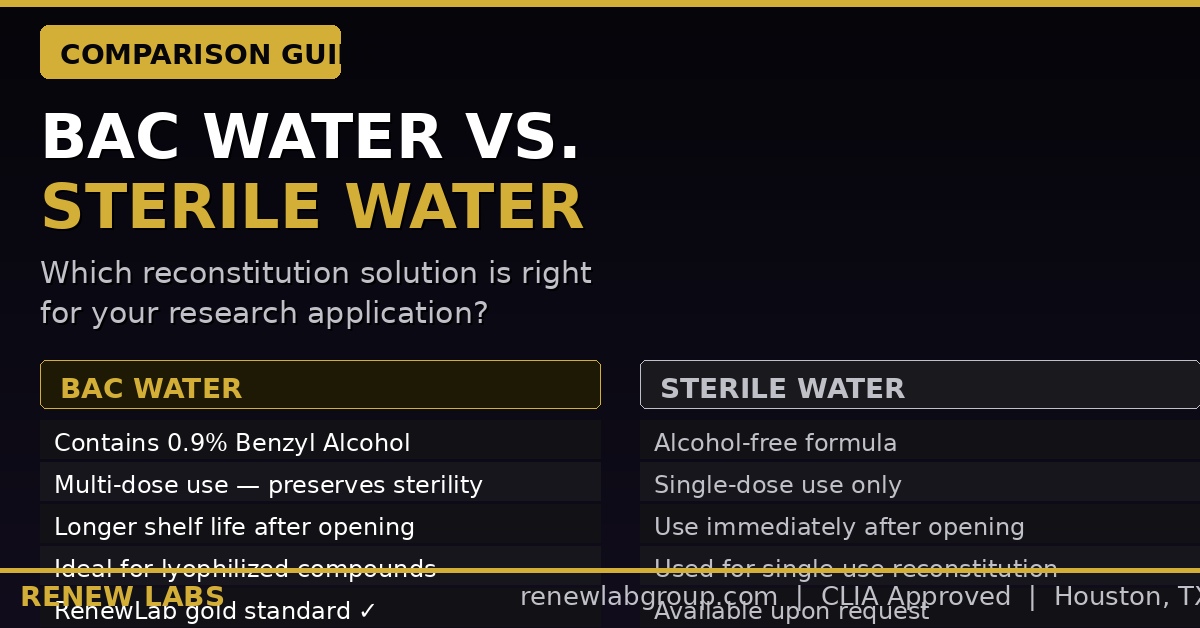
Why Water Type Matters in Pharmaceutical Compounding When compounding pharmacists select a water source for reconstitution, diluent preparation, or sterile
What Are Endotoxins and Why Do They Matter in Pharmaceutical Water? Endotoxins are lipopolysaccharides (LPS) derived from the outer membrane
The Role of Bacteriostatic Water in Extending Solution Shelf Life One of the primary reasons researchers and compounding pharmacies choose
A technical guide to research peptide reconstitution best practices — including why bacteriostatic water quality, pH, endotoxin levels, and benzyl alcohol concentration all directly affect your experimental outcomes.
An inside look at pharmaceutical cleanroom manufacturing standards, ISO classifications, HEPA filtration technology, and environmental monitoring protocols — and why they directly impact the quality of your research supplies.